
 ClerkChat
Answer “How Much?” in DMs Without Losing the Sale
ClerkChat · Sep 2, 2026 · 6 min read
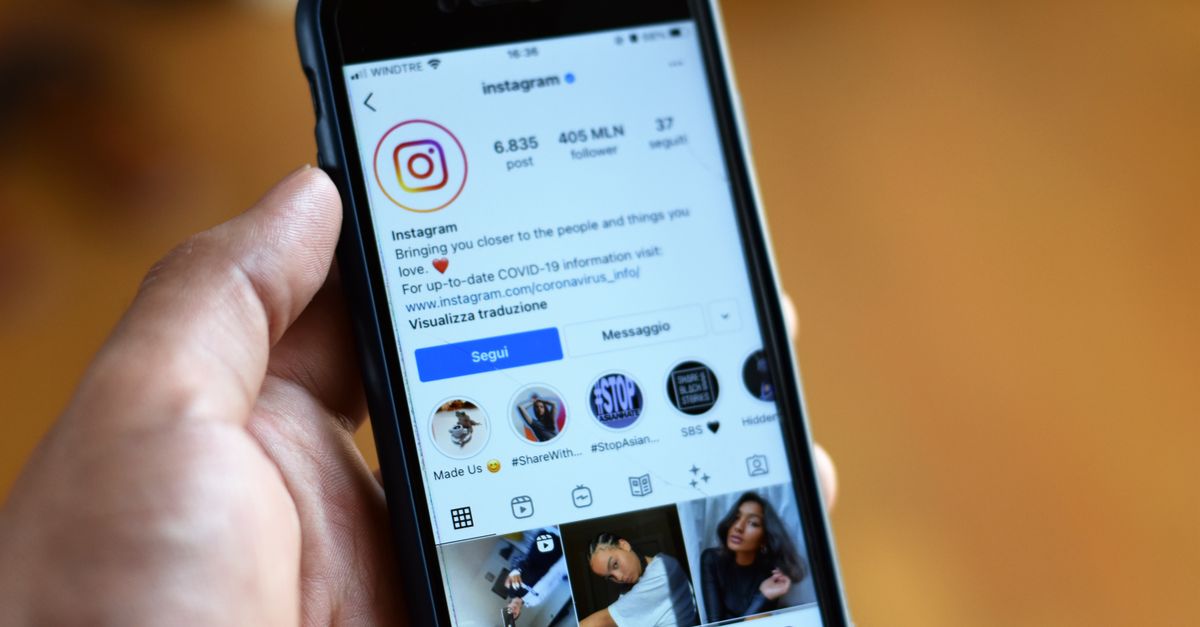
When a buyer DMs “how much?”, the deal is still yours if the next few messages stay under your control. A bare number shifts them into comparison shopping and invites ghosting or lowballs. Reply with a short answer, one value anchor, and a concrete next step instead of a price dump.
Business owners lose sales on Instagram DMs, WhatsApp, and Messenger for the same reason: price arrives before context. These channels carry high intent and high open rates, yet leads cool in minutes. Older lead-response studies still cited in current analyses show replies inside five minutes produce far higher qualification rates than half-hour delays (lead response time statistics). Silence after a price ask reads as uncertainty. Your job is to keep momentum, diagnose what “how much” really means, and make the number feel like a justified investment.
Outcome you want from every price DM
You want a longer thread that surfaces need, budget reality, and timeline before (or right beside) the number. Conversations that stretch past a handful of messages book and close at higher rates than one-and-done price drops. The buyer should leave knowing what is included, what result is realistic, and exactly what to do next (link, call, deposit, or menu). You keep margin by trading scope or terms instead of reflexive discounts.
1. Acknowledge in under a minute, even if the full answer takes longer
Send an instant hold: “Got it. Pulling the right option, one minute.” Then finish. First responder wins a large share of deals in messaging. Automation on keywords like “price,” “how much,” or “cost” can fire that first bubble; a human should own the close. Keep every bubble to one to three sentences. Break longer thoughts across messages so the chat feels human.
Platform note: WhatsApp often converts engaged chats at higher rates and handles voice notes well. Instagram brings warmer discovery traffic from Reels and comments. Messenger is less crowded. The reply logic is the same across all three.
2. Match the reply shape to ticket size
Fixed low-ticket products (digital downloads, apparel, simple ecom): Give price + what is included + one proof point + link fast.
Example: “It’s $49 lifetime access. Most people who finish land a first paid client in 2–3 weeks. Want the link plus the private checklist?”
That pattern (answer, educate, offer) turns questions into checkout without a sales call (turning Instagram questions into sales).
Variable services and high-ticket (coaching, custom work, local projects, consulting): Do not drop a single number first. Control the frame.
Example: “Fair question. Packages sit in different ranges depending on scope and timeline. Mind two quick questions so I send the right one instead of the wrong price?”
Or a conditional range: “For [service type] the usual band is A–B. Exact number needs what you need done and by when.”
This filters tire-kickers and stops unfair apples-to-oranges comparisons. Once you have situation and goal, mirror their words, share one similar result, then state investment tied to that outcome.
3. Qualify with short SPIN-style questions before the full quote
Classic SPIN Selling still works in chat when you keep it tight. Situation and Problem questions uncover context. Implication makes the cost of staying stuck concrete. Need-Payoff lets them say the value of a fix out loud before they see your number.
Useful short asks:
- “What are you using now for X?”
- “What happens if this is still unsolved in 90 days?”
- “If this worked, what would change in revenue or time each month?”
Stop after two or three. Over-questioning early feels like an interrogation and they bounce.
4. State price as investment tied to their outcome
When you give the number, attach inclusion, timeline, and proof in the same breath. Break it when helpful (“about $X per week over the program”). Contrast real alternatives only when true (“hourly coaches at $Y add up faster for the same result”). Offer a clear CTA: link, calendar, deposit hold, or “shall I send the two options side by side?”
If they push “just the price,” acknowledge without apology, bridge, and re-engage with a choice: “Respect that. Ranges run X–Y by need. To give the real number I need one detail: current situation with [Z]. Prefer that, or the range most clients start in?”
5. Handle “too expensive” by diagnosing, not discounting first
Most price pushback is value perception or cash-flow timing, not pure inability. Use a HubSpot-style sequence: acknowledge, clarify what “expensive” means, reconnect to quantified outcomes, then adjust scope or terms before cutting price (price objection handling patterns).
Clarify prompts:
- “Is it the total, the monthly, or versus what you expected?”
- “Finances aside, does the approach fit the goal?”
Then options, not surrender:
- Smaller starter scope that expands later
- Payment plan or phased milestones
- Trade: longer commitment, case-study rights, or faster start for better terms
Ask “What would make this feel solid?” Close with a held next step and a real date, never fake scarcity.
For “I need to think”: “What specifically are you weighing: price, timing, or something else?” That reopens the real objection.
Common mistakes that kill the thread
Naked price with no context. Buyer opens ten other chats and picks the cheapest screenshot.
Walls of text. They skim, feel sold-to, and leave. Short bubbles win.
Discount as first move. Signals the list price was inflated and trains haggling.
Generic bot with no handoff. Speed helps; judgment on objections still needs a person.
Ignoring cultural negotiation norms. In some WhatsApp-heavy markets, structured trades earn respect. Instant cuts look weak.
No follow-up system. Ghost recovery is soft value check-ins over a few days, then a clean close. One ignored “how much?” is not the end if you stay useful.
Public comments that overshare. Reply with a short range and “DM for the fit details” so watchers see social proof while serious buyers move private.
Tools and setup that keep you fast and consistent
Audit your last 50 price DMs. You will find most fall into three to five patterns. Build templates for: fixed-price + link, qualify-first high-ticket, conditional range, post-quote objection, and “need to think” recovery.
Add keyword triggers for instant acknowledgment. Log chats in whatever CRM or sheet you already use so nothing dies in a personal inbox. Pin menus, price lists, or ordering links in bio and highlights to cut pure tire-kicker volume; still treat every DM as high intent. Voice notes on WhatsApp and Instagram add warmth when empathy or proof matters. For volume, route first response automatically and keep human ownership on objections and payment.
Measure three numbers weekly: median first-response time, messages-to-close, and win rate after a price objection. Improve the templates that move those metrics.
Decision framework by offer and volume
Choose the path by ticket and traffic, not by platform fashion.
- Commodity or low fixed price, high volume: speed, transparency, cart or payment link, one proof line.
- Custom or high ticket, lower volume: doctor frame. Diagnose, prescribe, then investment. Longer threads are normal and healthy.
- Mixed catalog: public starting ranges in highlights, full quote only after two qualifying answers.
- Heavy negotiation cultures: lead with structure and trades, not open-ended “what’s your budget?”
If you sell both impulse products and advisory work, keep separate template sets. Mixing them confuses buyers and your team.
Test one change at a time for two weeks. Track reply rate and close rate per template. Retire what stalls.
Next step you can take today
Open your last 20 “how much?” threads. Label each as bare-price fail, qualify-then-close win, or objection recovery. Rewrite three reusable reply stacks from the winners, load the keyword auto-ack, and aim for sub-five-minute first touch on every new price ask this week. The number stops being the end of the conversation when you treat it as the middle.
Build support that knows your business.
Turn the content your team already trusts into useful customer answers.
- Connect your website, docs, and FAQs
- Launch a customer-facing agent in minutes
More from ClerkChat
Keep reading

How Fast Should You Reply to a Website Enquiry?
Leads contacted within five minutes qualify far more often than those left for half an hour; most firms still average one to two days, and first responders win the majority of deals.
ClerkChat · Sep 2, 2026

How to Close High-Ticket Deals by Answering Buyer Questions
Beginners close more high-ticket deals when they lead with SPIN-style discovery, isolate the real objection, and give buyers a clear next step instead of pressure.
ClerkChat · Sep 2, 2026

AI Chatbots vs Hiring Support: Real Cost Breakdown
A loaded US support hire often runs $55k–$80k+ a year before turnover; a grounded AI agent plus a smaller human bench usually wins on cost once volume is steady.
ClerkChat · Sep 2, 2026